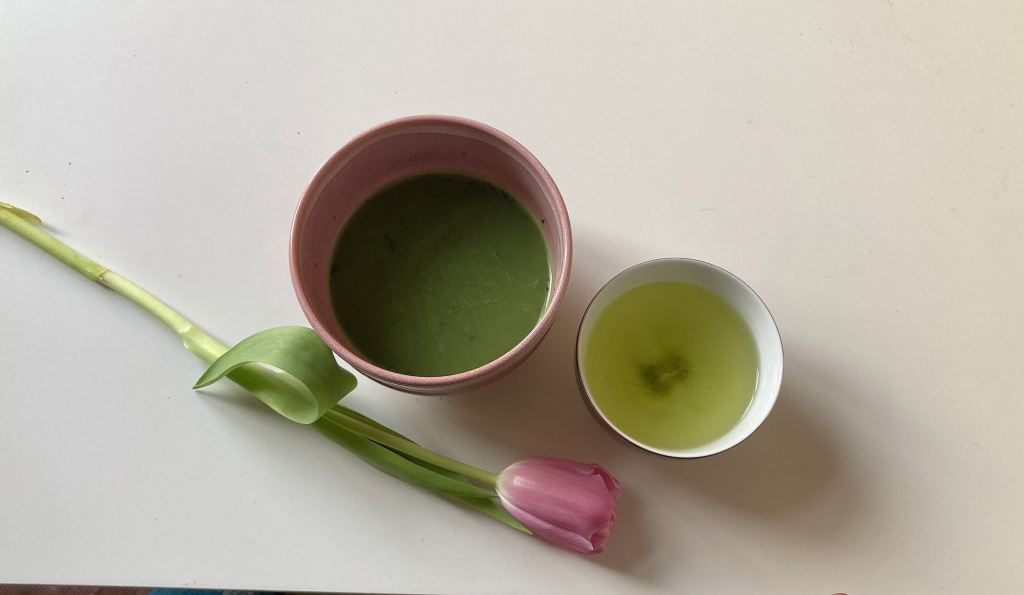
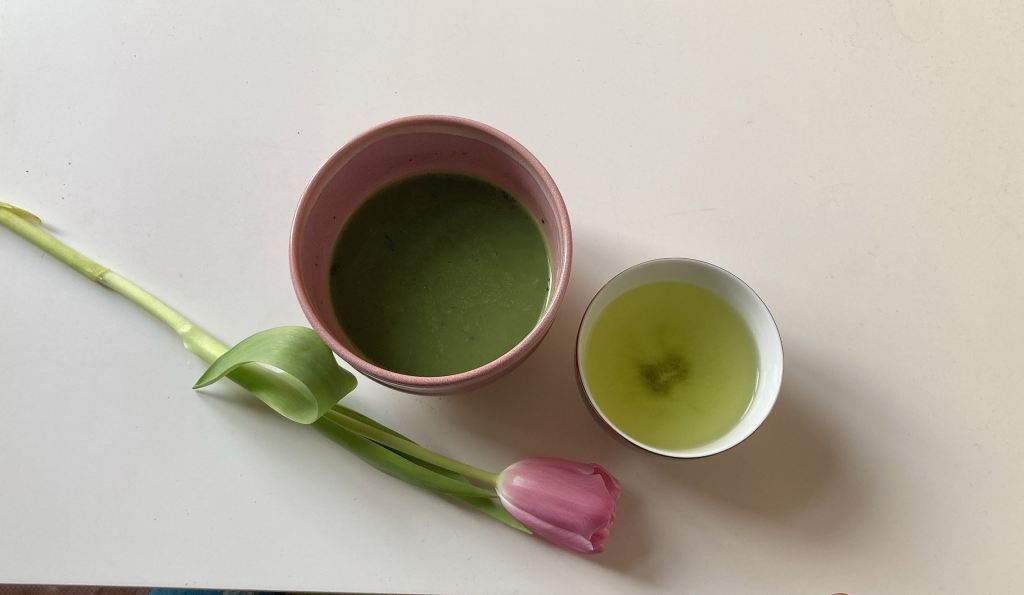
Both matcha and sencha come from the same tea plant, but they are used very differently in daily life.
If your goal is to build a healthy habit and drink green tea every day, this difference matters more than you might think.
In this article, I’ll explain the practical difference between matcha and sencha from a Japanese perspective — not just nutritionally, but how they actually fit into everyday life.
Matcha vs Sencha:
Key Differences at a Glance
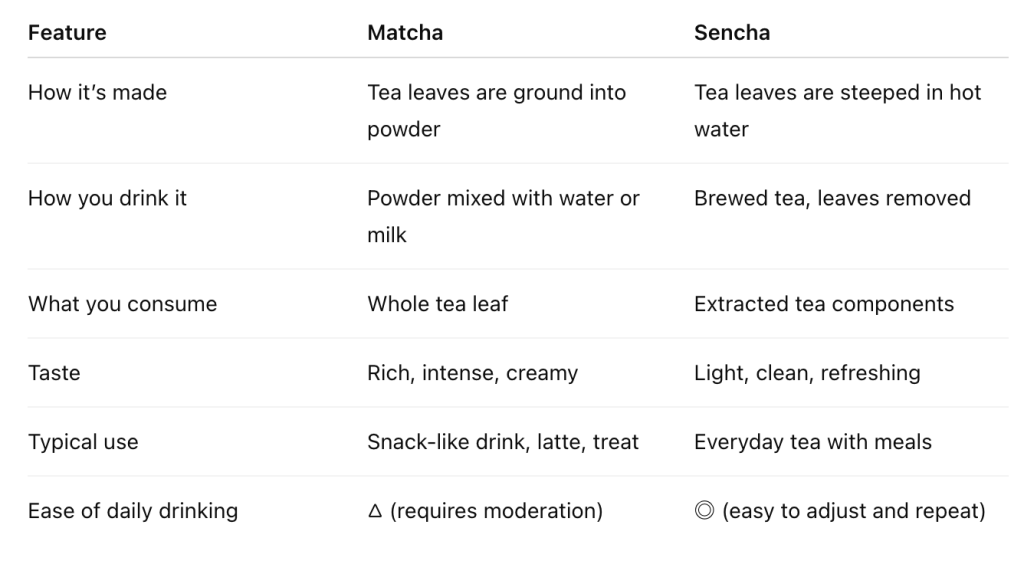
This table alone explains why these two teas feel so different in daily life.
Why Production Method Matters for Daily Drinking
Matcha is made by grinding shaded tea leaves into a fine powder.
When you drink matcha, you consume the entire leaf — including all its caffeine and compounds.
Sencha, on the other hand, is brewed and then strained.
You drink only what is extracted into the water, which makes the experience lighter and easier on the body.
This difference doesn’t mean one tea is “better.”
It means they behave very differently when consumed every day.
Matcha Is More Like a Snack Than a Drink
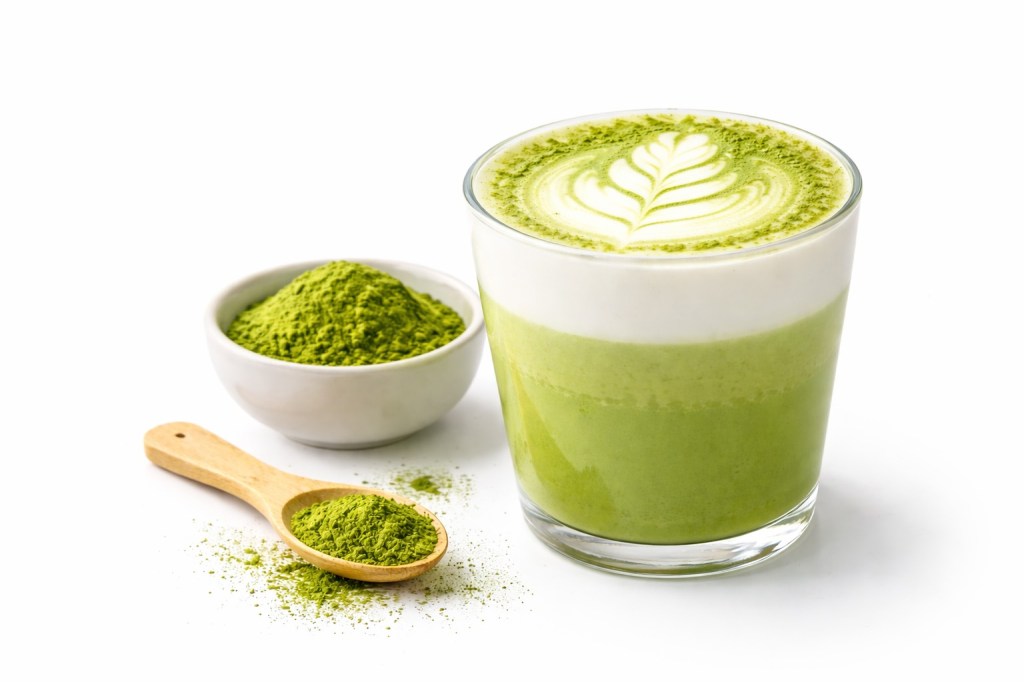
In Japan, matcha is often treated as more than just a beverage.
Because it pairs well with milk, matcha is commonly enjoyed as:
- a matcha latte
- a light breakfast drink
- a snack or dessert-style drink
It’s satisfying and filling, which is exactly why many people don’t drink it multiple times a day.
From a daily-habit perspective, matcha feels closer to food than water.
Sencha Is an Everyday Tea
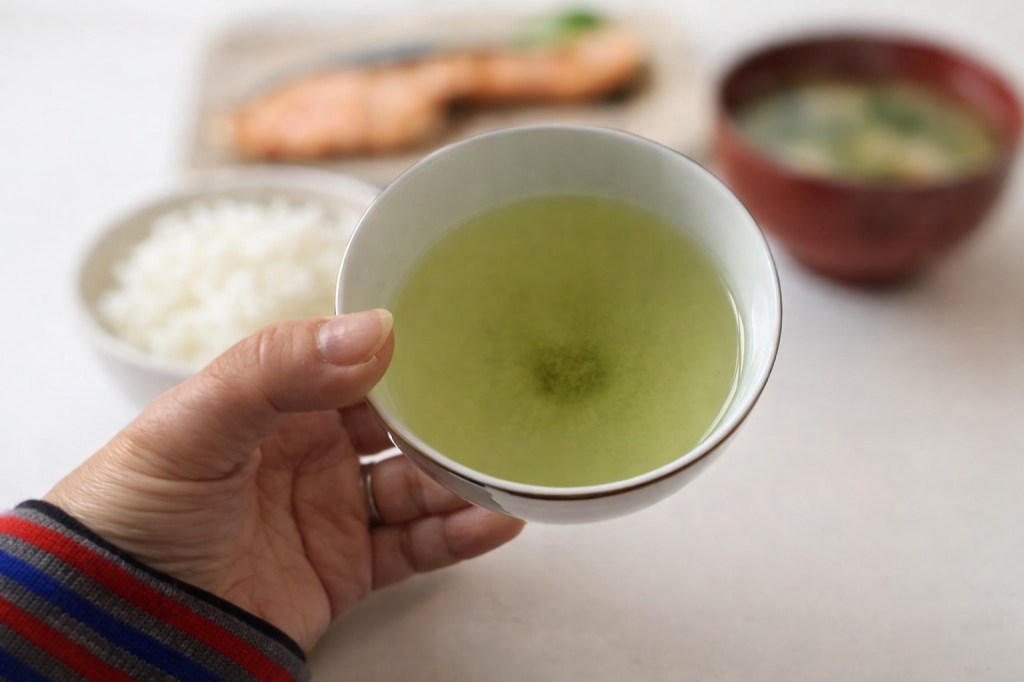
Sencha plays a completely different role.
It’s light, refreshing, and easy to adjust in strength.
In Japan, sencha is commonly consumed:
- in the morning
- with meals
- throughout the day as regular hydration
It doesn’t overpower food, and you can drink several cups without feeling heavy.
This is why sencha is the tea most Japanese people drink daily.
Which Is Better for Daily Drinking?
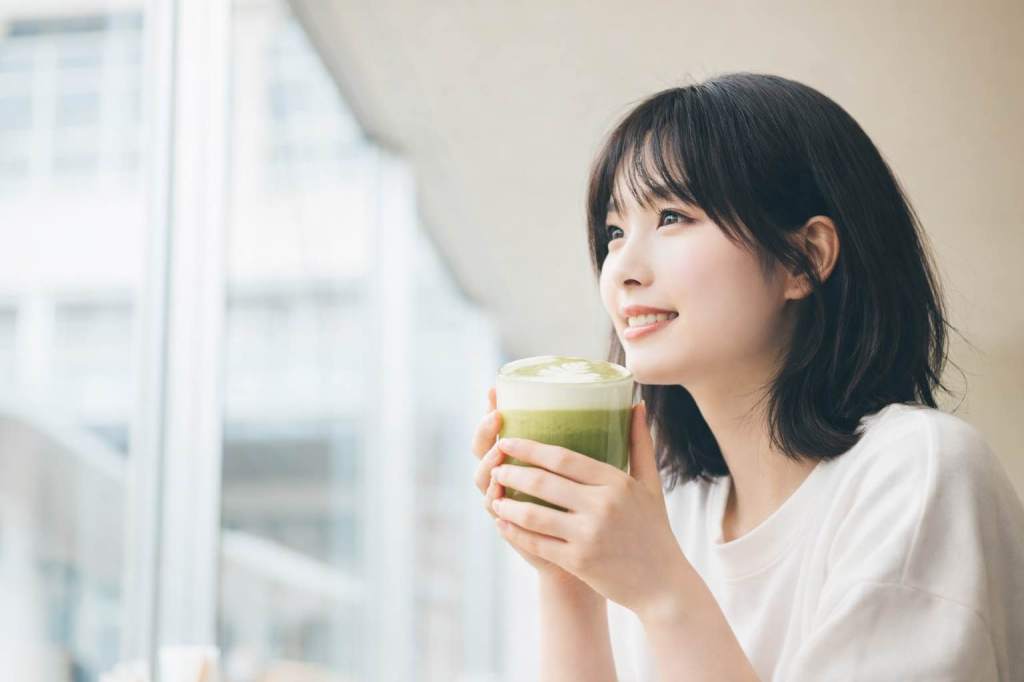
If your goal is to drink green tea every day for long-term health, sencha is usually the more practical choice.
- It’s gentle on the body
- Easy to adjust for caffeine
- Fits naturally into meals and daily routines
Matcha is best enjoyed intentionally — as a single cup you savor, not something you rely on all day.
A Practical Way to Enjoy Both
You don’t have to choose just one.
Many people in Japan naturally do this:
- Sencha as a daily tea
- Matcha as an occasional latte or treat
This balance makes green tea enjoyable, sustainable, and easy to continue long term.

 Matcha & The Green Journey 抹茶&煎茶〜日本茶の香りブログ〜
Leave a comment