
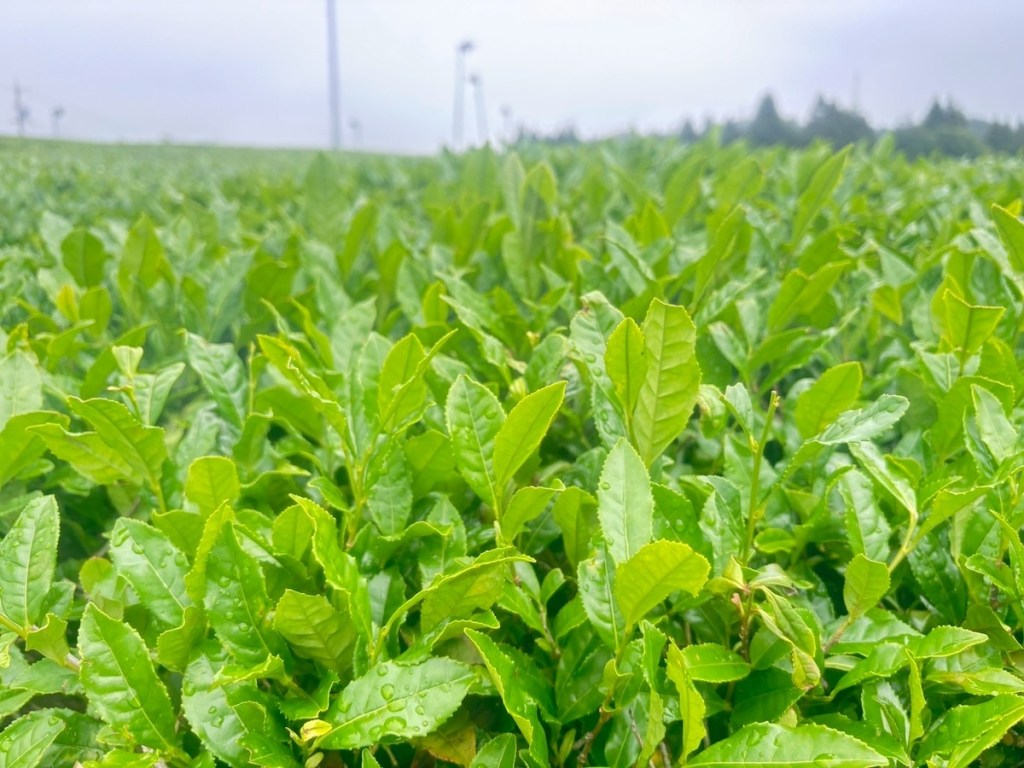
Shincha, literally meaning “new tea,” is the very first harvest of Japanese green tea each year.
Picked in late April to mid-May, it captures the essence of spring in every leaf.
Compared to regular sencha, Shincha has a sweeter, milder flavor and a vibrant fresh grassy aroma.
Key Features of Shincha:
・Harvest time: Late April to mid-May
・Taste: Sweet, umami-rich, smooth
・Aroma: Fresh like young spring leaves
・Nutrition: High in theanine, catechins, and vitamin C
・Shelf life: Best enjoyed fresh – the aroma fades quickly!
How Shincha Tastes Different from Other Green Teas
Think all green teas taste the same?
Shincha is in a league of its own. Its freshness is unmatched, making it a special treat even for casual tea drinkers.
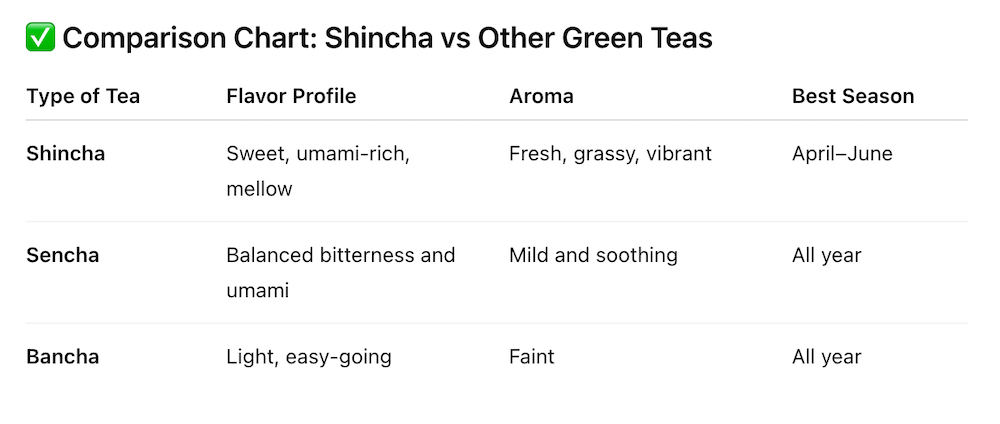
Freshness is the biggest difference.
Drinking Shincha is like tasting the breath of the tea fields.
Shincha in Japanese Culture – A Tea with Meaning
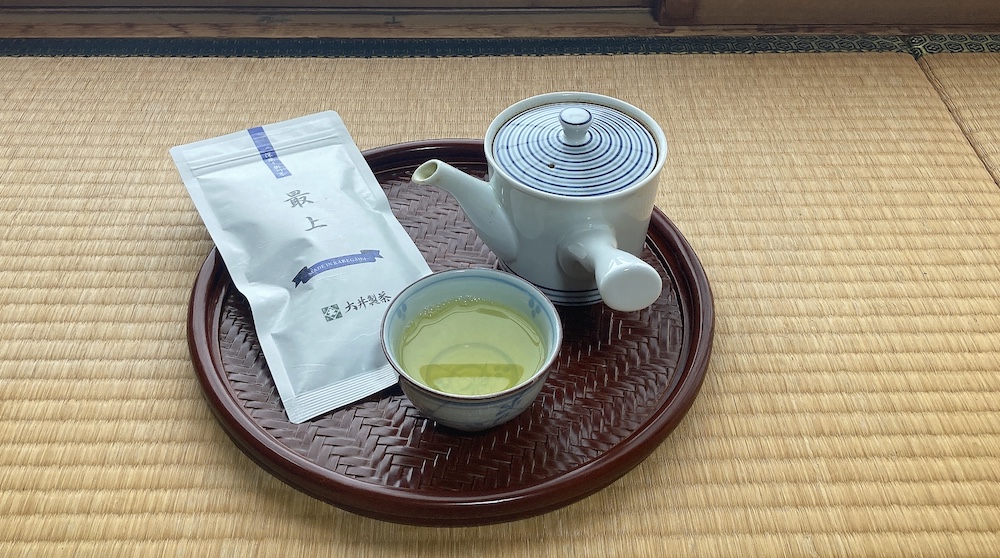
In Japanese tradition, “hatsumono” (first-of-the-season foods) are believed to bring good luck and long life.
Shincha is one of them – a tea deeply tied to Japan’s seasonal customs.
Cultural Fun Facts:
・Tea picked on Hachijuhachiya (the 88th day after spring begins) is especially auspicious
・In the Edo period, Shincha was presented to the Shogun as a luxury gift
・Even today, many people drink Shincha to wish for good health and longevity
Drinking Shincha means welcoming spring into your body and spirit.
Why You Should Try Shincha Right Now
Shincha is a seasonal, limited-edition tea that’s only available for a few short weeks.
Its flavor and aroma are at their absolute peak in late spring.
Reasons to Try Shincha Today:
・Only available in spring
・ Peak flavor and aroma in May–June
・ Top-quality Shincha sells out quickly
・ Low bitterness – great for beginners
Shincha is perfect for you if:
・You want to enjoy the seasonal flavor of Japan’s freshest green tea
・You’re looking to taste the highest quality Japanese green tea
・You care about natural drinks for health and beauty
Final Thoughts – Shincha: A Springtime Treat You Shouldn’t Miss
Shincha is a rare green tea that celebrates the arrival of spring.
Its gentle, sweet taste feels like a breath of fresh air – perfect for resetting your senses.
If you’re wondering whether to try it… this is your sign to go for it.
And stay tuned – in our next post, we’ll explore the tea-growing region of Kakegawa in Shizuoka, home to some of Japan’s finest green teas.

 Matcha & The Green Journey 抹茶&煎茶〜日本茶の香りブログ〜
Leave a comment