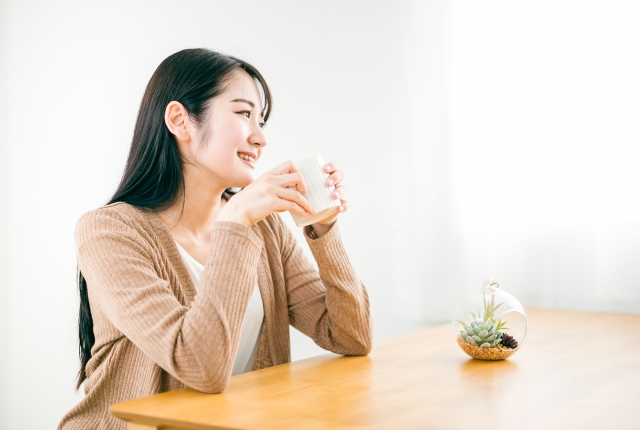
Matcha lattes, sencha, hojicha… Japanese tea is loved around the world for its natural and healthy image. But have you ever wondered: “Does Japanese tea contain caffeine?”
The answer might surprise you.
In this article, we’Matcha lattes, sencha, hojicha… Japanese tea is loved around the world for its natural and healthy image. But have you ever wondered: “Does Japanese tea contain caffeine?”
The answer might surprise you.
In this article, we’ll explore the relationship between Japanese tea and caffeine — and help you choose the best tea for your lifestyle.ll explore the relationship between Japanese tea and caffeine — and help you choose the best tea for your lifestyle.
Does Japanese Tea Contain Caffeine?
Yes, it does.
Most Japanese teas naturally contain caffeine. Tea leaves — whether used in green tea, black tea, or oolong — include caffeine as a natural compound. It can help you feel more alert, focused, and energized.
However, the amount of caffeine varies greatly depending on the type of tea and how it’s prepared.
Why Some Japanese Teas Have More Caffeine Than Others
Several factors affect how much caffeine is in your tea:
- The harvest season of the tea leaves
- The processing method, such as roasting or steaming
- The brewing temperature and time
Let’s take a look at common Japanese teas and how much caffeine they contain:
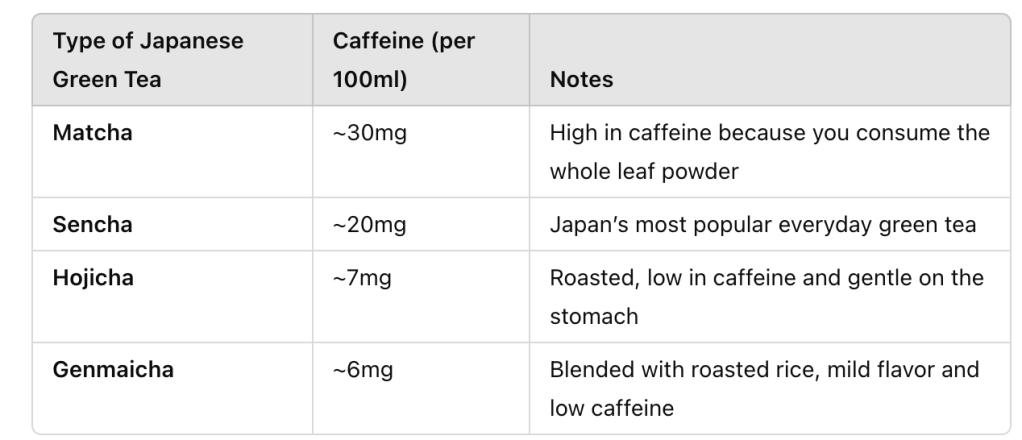
As you can see, not all Japanese teas are low in caffeine. In fact, matcha contains more caffeine than many people expect!
Best Low-Caffeine Japanese Teas
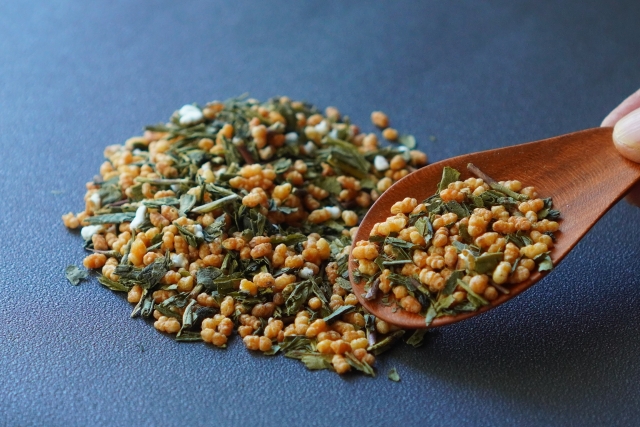
If you’re sensitive to caffeine or want to cut back, try these traditional teas:
- Hojicha – Roasted green tea with a nutty aroma. Perfect for evening relaxation.
- Genmaicha – A blend of green tea and roasted brown rice. Light and easy to drink, even for kids.
These teas are popular in Japan not just for their taste, but also because they are gentle on the body and low in caffeine.
How to Enjoy Japanese Tea Without Worrying About Caffeine
Caffeine isn’t necessarily bad — it can help boost your focus and mood. But if you drink it late in the day, it may affect your sleep or make you feel jittery.
Luckily, Japanese tea offers a variety of options for every situation.
- Need energy in the morning? Go for a cup of sencha or matcha.
- Want to unwind at night? Choose hojicha or genmaicha.
The beauty of Japanese tea is that you can match your tea to your moment.
Summary: Caffeine in Japanese Tea
- Japanese tea does contain caffeine, but the amount depends on the type.
- Matcha and sencha are higher in caffeine.
- Hojicha and genmaicha are great low-caffeine Japanese teas.
- You can enjoy Japanese tea all day long — just choose the right one for your needs.

 Matcha & The Green Journey 抹茶&煎茶〜日本茶の香りブログ〜
Leave a comment