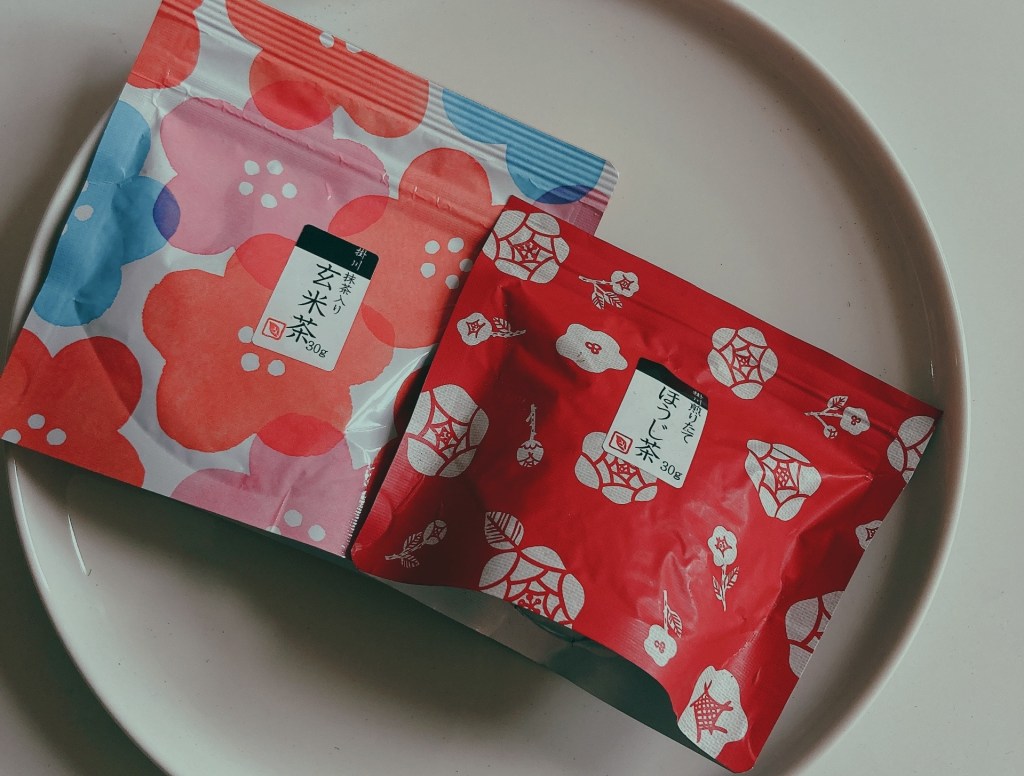

Japanese tea is not just about Matcha and Sencha! In this guide, we introduce four representative types of Japanese tea. These are Sencha, Hojicha, Matcha, and Genmaicha. This will help you find the perfect tea for your lifestyle.
For example, I start my morning with a warm cup of Sencha to wake me up. When I crave something sweet in the afternoon, I enjoy a Matcha latte. In the evening, I opt for Hojicha to reduce my caffeine intake. And during meals, Genmaicha’s gentle roasted flavor pairs perfectly with food.
Sencha – The Most Popular Green Tea in Japan
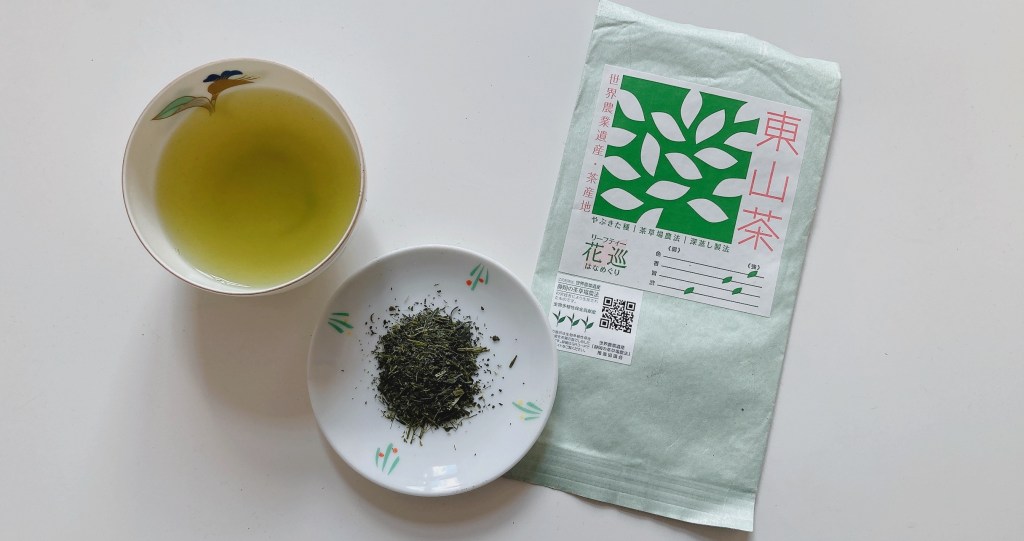
Flavor Profile: Refreshing, grassy aroma, subtle bitterness
Caffeine Level: Moderate Best Way to Enjoy: Drink it hot or iced as an everyday tea.
Health Benefits: Rich in antioxidants (catechins), supports cholesterol and blood pressure reduction (catechins), deodorizing effects (catechins), relaxation (theanine), and beauty benefits (vitamin C).
Sencha is the most widely consumed green tea in Japan and accounts for a significant portion of Japan’s tea production. The tea leaves are grown under sunlight, steamed, rolled, and dried to create a vibrant green color and fresh taste.
Hojicha – A Roasted, Low-Caffeine Green Tea
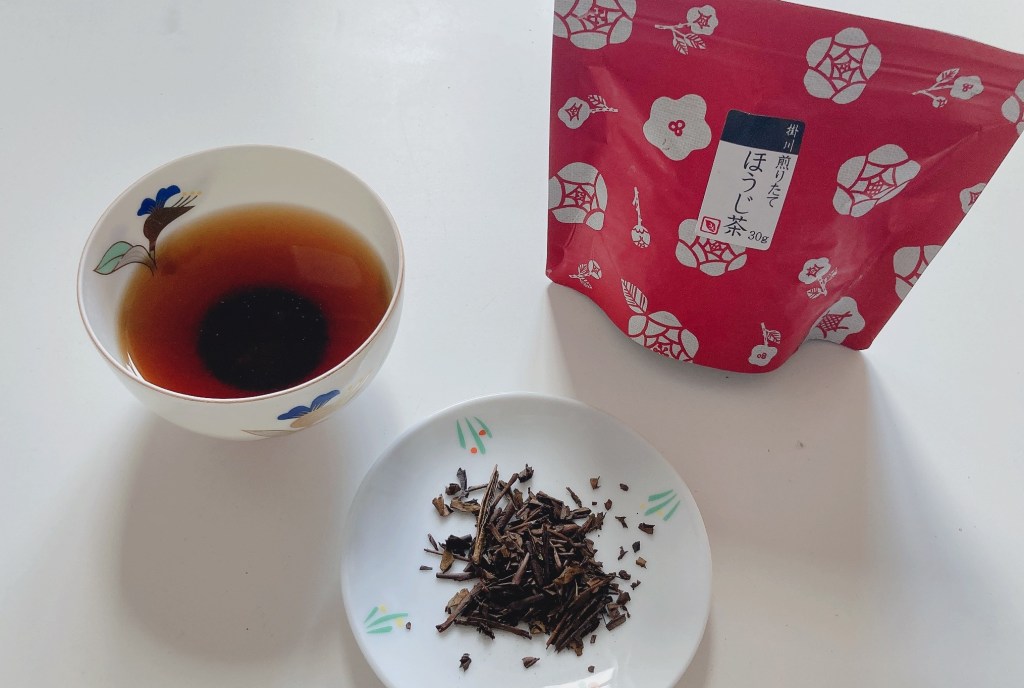
Flavor Profile: Nutty aroma, roasted flavor
Caffeine Level: Low Best Way to Enjoy: Drink warm after meals or before bedtime.
Health Benefits: Rich in antioxidants (catechins), promotes blood circulation (pyrazine), and helps relaxation (theanine/pyrazine).
Hojicha is made by roasting green tea leaves at high temperatures, giving them a distinctive brown color and a fragrant roasted taste. With lower caffeine content, it is gentle on the stomach and is popular among children and the elderly.
Matcha – A Finely Ground Green Tea Used in the Tea Ceremony

Flavor Profile: Creamy, rich umami, slightly bitter
Caffeine Level:High Best Way to Enjoy: Whisk with a chasen (bamboo whisk), or add to frothed milk and desserts like puddings.
Health Benefits: Rich in antioxidants (catechins), supports cholesterol and blood pressure reduction (catechins), deodorizing effects (catechins), relaxation (theanine), and beauty benefits (vitamin C).
Matcha is made by grinding shade-grown tea leaves into a fine powder using a stone mill. While it is traditionally used in tea ceremonies, it is also popular in matcha lattes, smoothies, and desserts.
Genmaicha – A Fragrant, Easy-to-Drink Blend of Green Tea and Roasted Rice
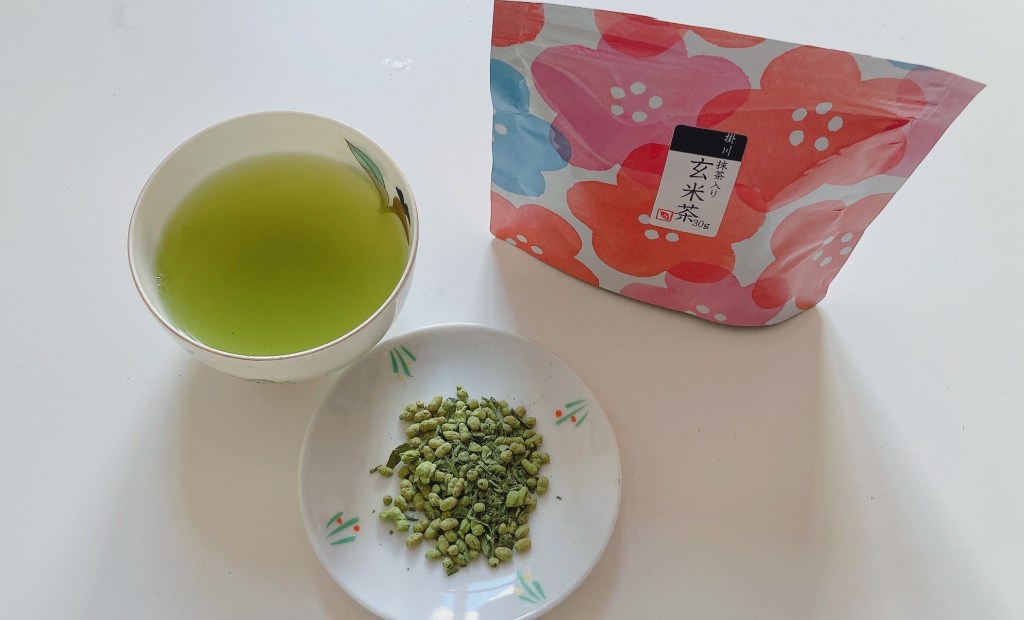
Flavor Profile:Nutty aroma, subtle sweetness, light and refreshing aftertaste
Caffeine Level: Low Best Way to Enjoy:Enjoy with meals or during a relaxing moment.
Health Benefits:Supports weight management (gamma-oryzanol), promotes relaxation (theanine/pyrazine), and is gentle on the stomach.
Genmaicha is a blend of Sencha or Bancha with roasted rice. The combination of roasted rice’s nutty aroma and the fresh taste of green tea makes it a perfect companion to meals. With lower caffeine content, it is suitable for children and pregnant women.
Which Japanese Tea Suits You Best?
• Looking for an everyday tea? → Sencha is the best choice.
• Need a low-caffeine tea to relax? → Hojicha or Genmaicha is ideal.
• Want to boost concentration or enjoy a rich, full-bodied flavor? → Matcha is perfect!
• Love nutty and aromatic teas? → Genmaicha is a great option.
By learning about different types of Japanese tea, you’re sure to find the perfect cup that suits your taste. Try various Japanese teas and enjoy their unique flavors!Enjoy Japanese tea!

 Matcha & The Green Journey 抹茶&煎茶〜日本茶の香りブログ〜
Leave a comment